
Across the world, leading innovation campuses are redefining how people connect, collaborate and create. They show how purpose-driven design and community-first programming can make the difference between an idea that stays in the lab and one that transforms lives.
At Health Innovation Campus Boxmeer (HICB), we draw inspiration from these global pioneers, translating these lessons into an ecosystem where research, healthcare and business merge to accelerate the future of health innovation.
Their success proves that design, community and collaboration are not just conditions for innovation, but its driving force. By learning from the best, Health Innovation Campus Boxmeer shapes a new kind of campus in the Netherlands: a connected environment where a diverse range of disciplines merge to accelerate healthcare innovation.
Turning research into real-world impact
Wyss Institute – Boston, USA
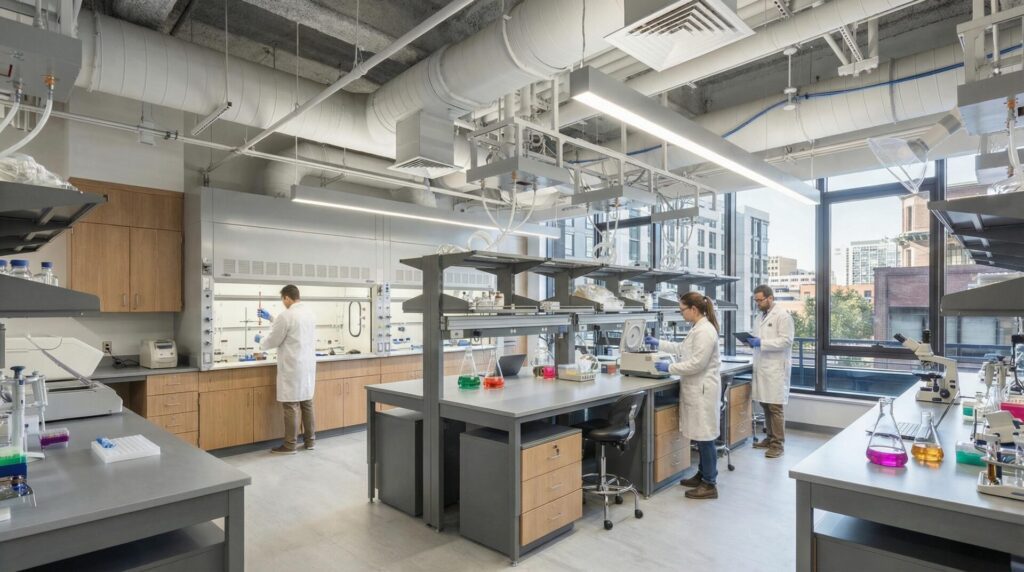
A groundbreaking example of how science, technology and entrepreneurship can merge. The Wyss Institute, part of Harvard University, translates pioneering research into practical applications that transform healthcare.
The development on Wyss is designed to bring disciplines together. Shared laboratories and open, flexible spaces unite engineers, biologists and clinicians in real time. The result of the transparent design is a community where boundaries between science and business dissolve, making innovation visible and tangible.
What this means for HICB
For HICB, it demonstrates how physical proximity and adaptable architecture can bridge disciplines, accelerate discovery and make innovation an everyday experience. HICB integrates this approach by creating spaces where knowledge institutions, healthcare organisations and businesses literally work side by side to shape the future of healthcare.
What could a social hub mean for your organisation? Discover more inspiring examples below.
Connecting research and companies for life science growth
Medicon Village – Lund, SWE
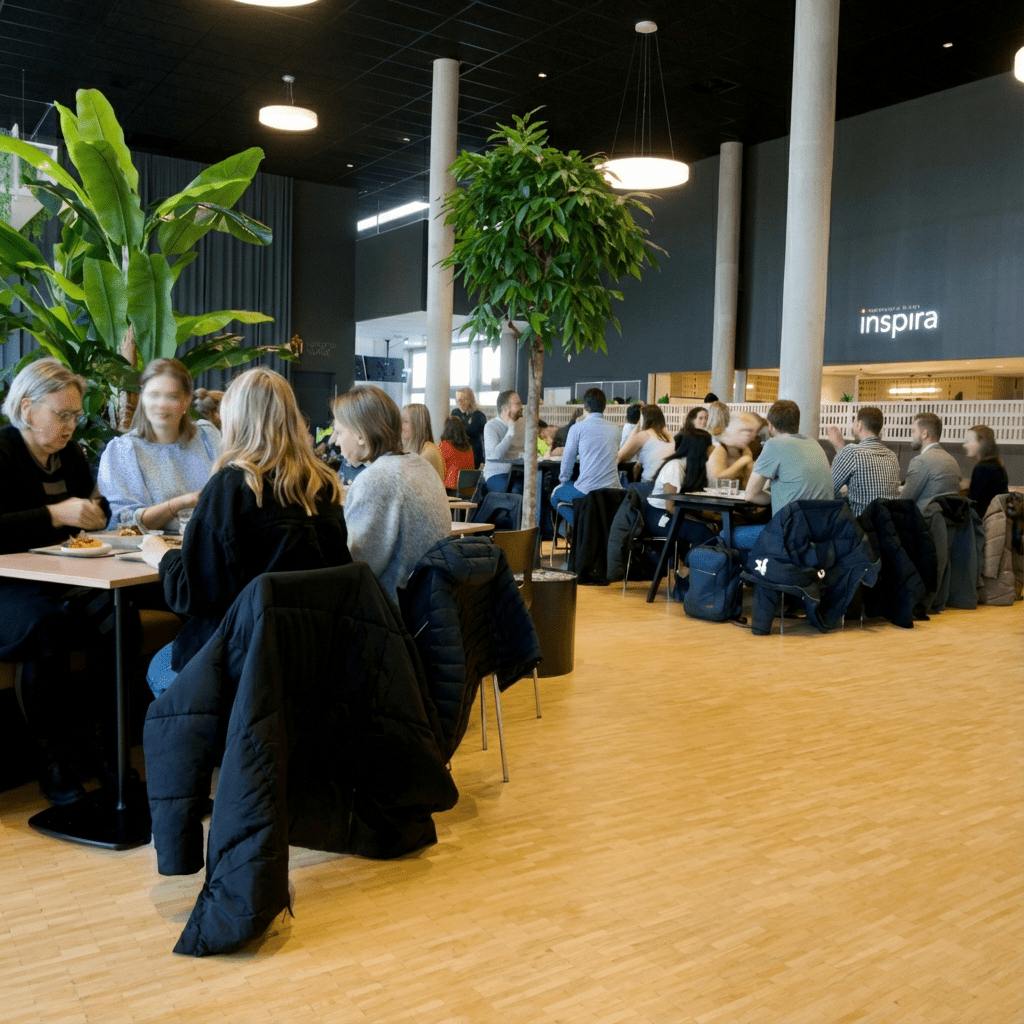
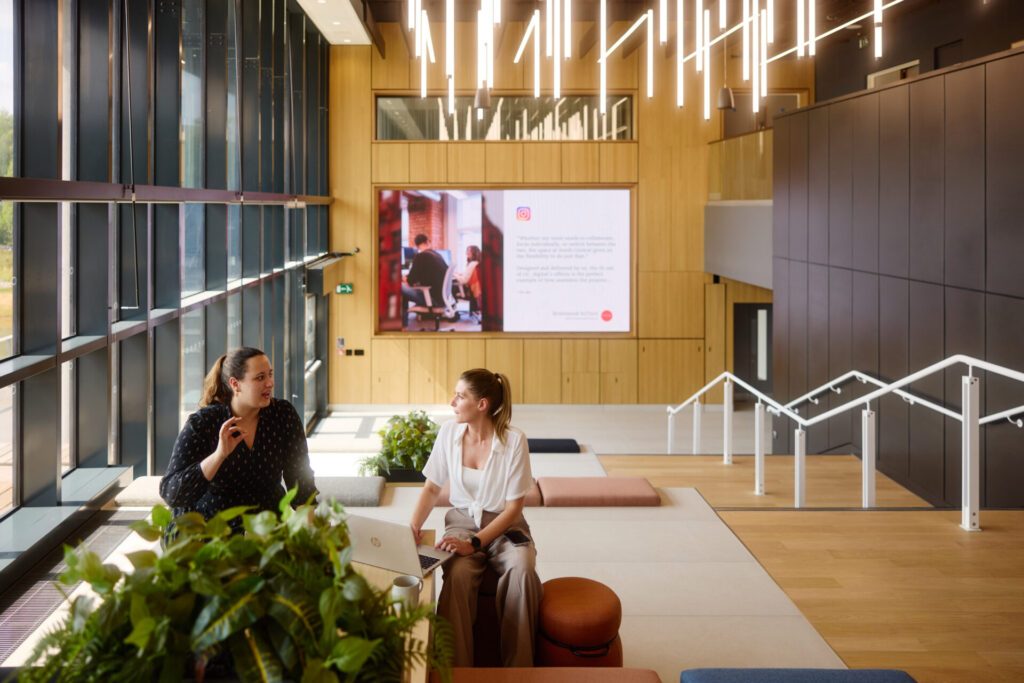
Medicon Village, connected to Lund University, is home to a vibrant environment where universities, startups and mature companies work side by side. Collaboration is built into its DNA.
Medicon Village shows how physical proximity creates a natural rhythm of exchange. Shared research facilities and informal meeting areas dissolve hierarchy, bringing startups and established firms together in one community.
What this means for HICB
For HICB, it underlines how creating an open ecosystem where organisations grow within a community fuels collaboration. And how a steady rhythm of networking events can help make interaction between tenants a natural part of daily campus life.
Explore how global campuses become social hubs. Browse all best practices here or connect with us.

Growing innovation through flexible development
Birmingham Health Innovation Campus – Birmingham, UK
A campus that grows alongside its tenants. Thanks to phased development, businesses can start small and expand as their impact increases, lowering the barrier to entry and spreading investment risks.
The phased design of Birmingham Health Innovation Campus ensures that every new building strengthens the community rather than fragmenting it. Consistent architecture, shared amenities and adaptable layouts help tenants grow while staying connected.
What this means for HICB
For HICB, it proves that flexibility in design can foster stability, trust and long-term collaboration within the campus network.
How will you shape the future of health innovation? Continue reading or contact us to explore opportunities.
Empowering innovation through shared support
MaRS – Toronto, CAN
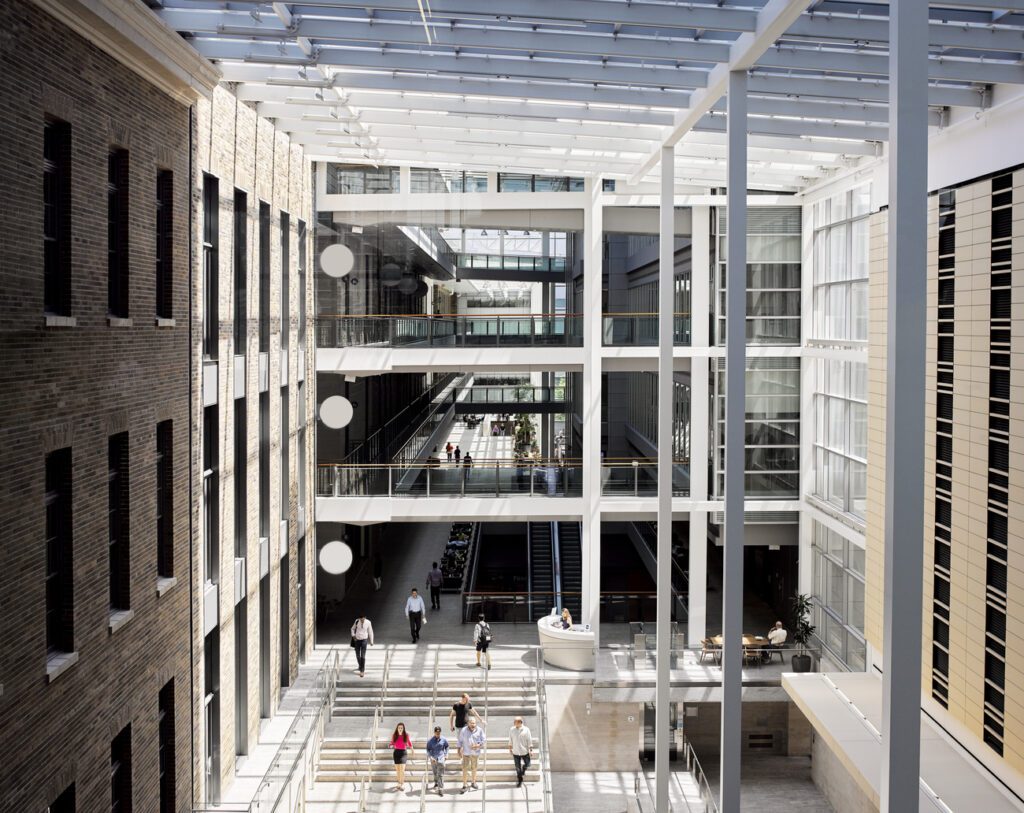
One of North America’s largest urban innovation hubs provides direct support for startups and builds communities of innovators. By doing so, they drive the adoption of high-impact solutions for their communities, healthcare system, and environment.
MaRS Discovery District brings together startups, investors and researchers in open-concept labs and offices to encourage cross-sector collaboration and accelerate commercialisation towards market-ready solutions. MaRS integrates mentorship and financial support to accelerate business development. The result is faster collaboration and visible networks of trust.
What this means for HICB
For HICB, MaRS shows how connecting space, knowledge and structured support can accelerate ideas towards impact. MaRS’s mentorship networks and flagship events, strengthen the case for a dedicated start-up hub and curated programming, ensuring tenants are supported, not just accommodated.
Find out how shared support drives impact on the HICB website.
Designing for sustainable innovation and community connection
Oslo Science City –
Oslo, NOR
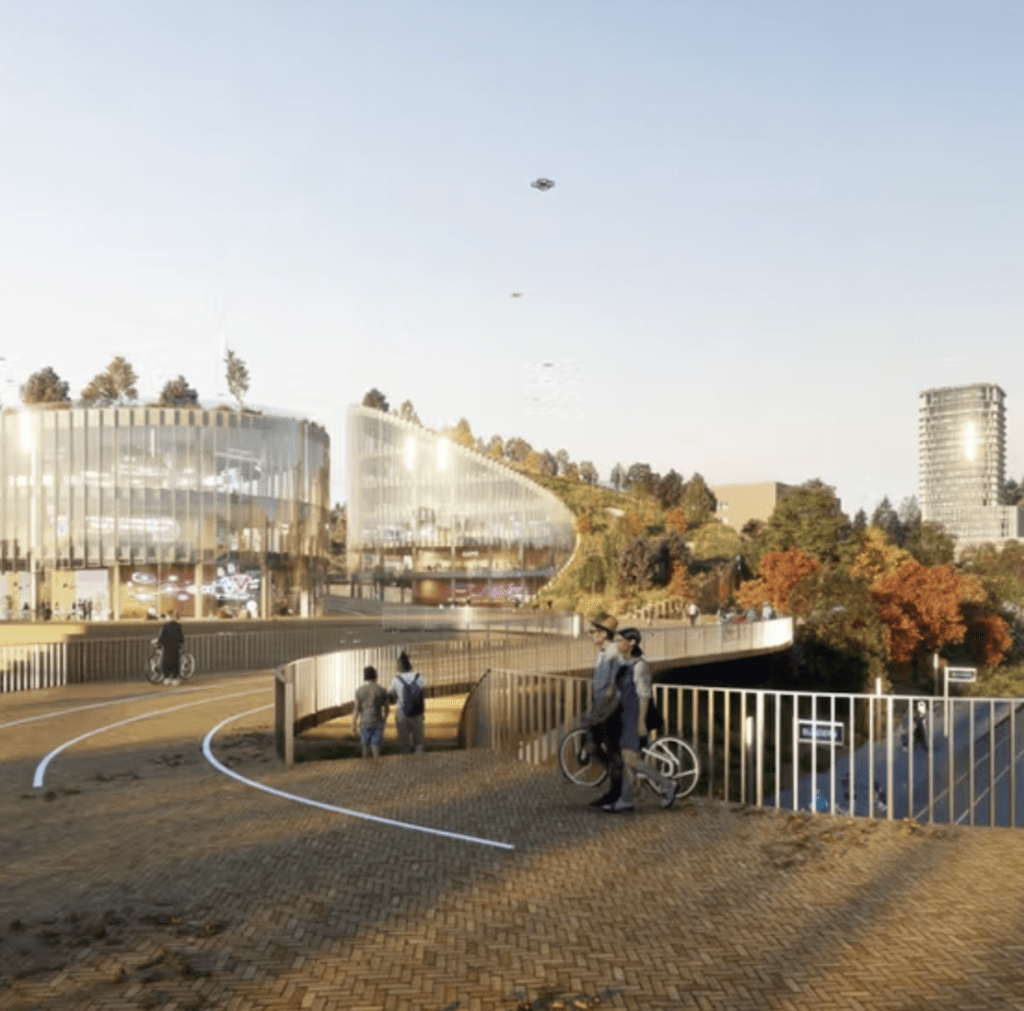
Oslo Science City integrates science, business, education and urban life in one environment. Bringing together Norway’s leading university, the Nordic region’s largest hospital, leading research institutes and vibrant startups, all designed for openness and sustainability.
Flexible, energy-efficient buildings and inviting outdoor areas encourage collaboration, movement and exchange throughout the day.
What this means for HICB
For HICB, Oslo Science City shows how physical layout of a campus and campus programming, like talks, outdoor activities, and health-focused events, can actively stimulate community. And by doing so engage partners, visitors and the wider region in a lively campus culture.
Discover lessons from the world’s best innovation campuses. Contact us to explore opportunities.

As the healthcare landscape shifts rapidly, facility choices become more strategic and complex. Is your location supporting where your organisation is headed, not just where it is now?
These 10 key questions are designed to help you reflect on your future housing decisions. From attracting top talent and maximising cost efficiencies to expressing your brand identity and enabling scalable growth, each question touches on critical drivers for your future-proof environment. They’re written from your perspective as a forward-thinking organisation in Life Sciences & Health and grounded in the experience and vision of Health Innovation Campus Boxmeer (HICB), a next-generation campus focused on medtech, care innovation, and applied health solutions. The campus is designed for collaboration, wellbeing, and scalable growth.
Use these questions to start meaningful conversations within your team. Identify hidden risks and new opportunities. And explore how the right location provides a strong foundation for innovation, collaboration, and growth.
1. Does our environment support collaboration, learning and wellbeing?
Your space shapes your culture. Does it bring people together, encourage knowledge exchange, and support wellbeing? In today’s world, environments need to be relevant as spaces where people come to connect, not just to sit.
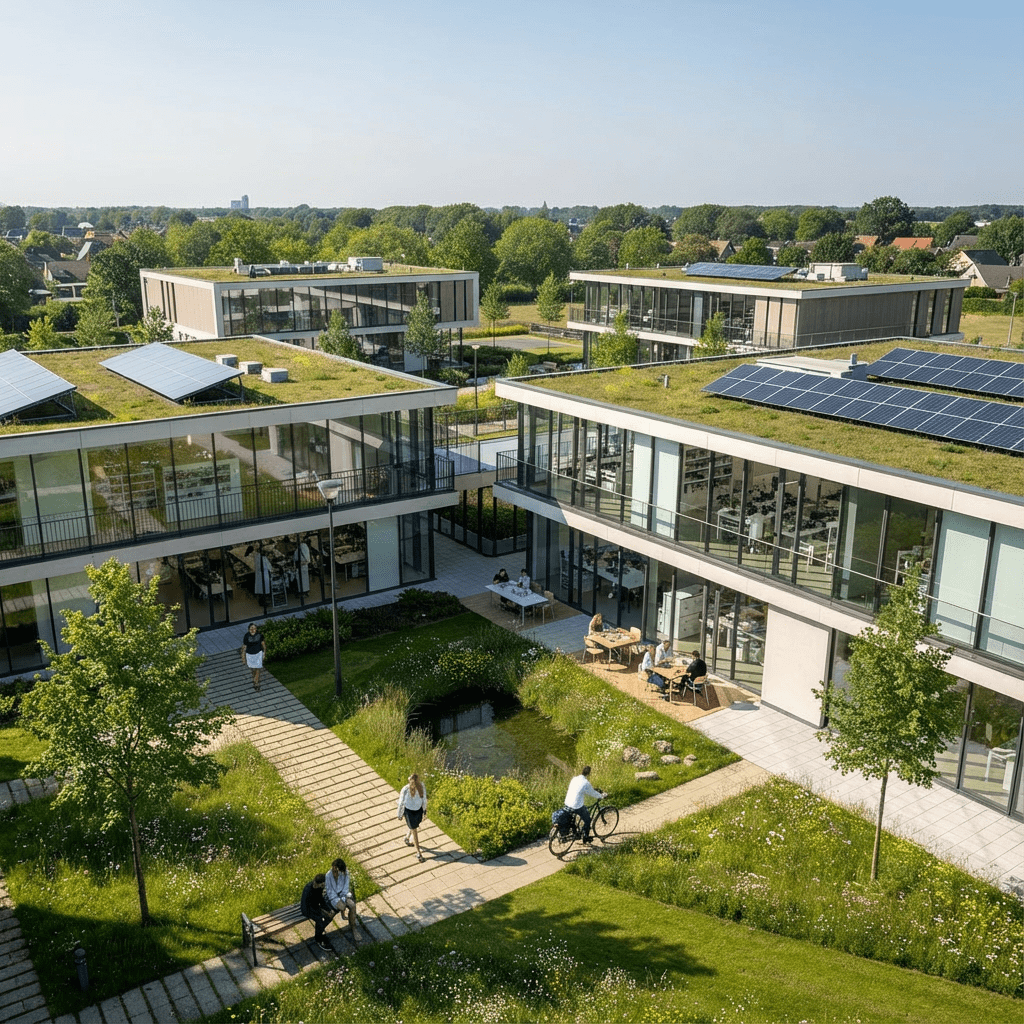
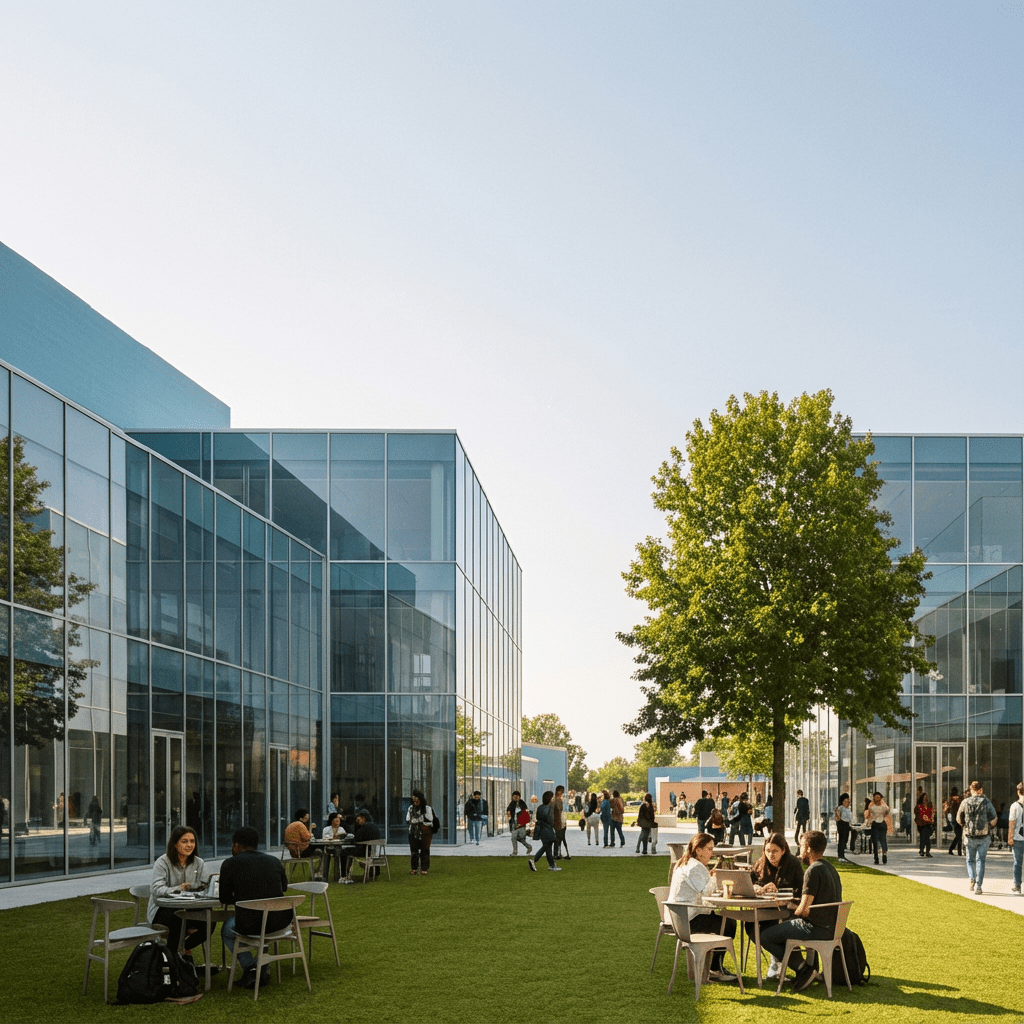
Health Innovation Campus Boxmeer offers a landscape that blends community zones, shared facilities, and nature, from co-working spaces to knowledge events. The result? An ecosystem where ideas flow, collaboration feels natural, and people enjoy being part of the day-to-day campus atmosphere. From a social platform for knowledge exchange to a walking track, the campus encourages both professional connection and personal vitality.

2. Is our location attractive to the talent we want, now and in five years?
In a competitive talent market, location is more than geography. It could be a magnet or a barrier. Does your environment appeal to the kind of professionals you need to attract? That means thinking about accessibility, lifestyle, social energy, and being part of an ecosystem where people feel they’re contributing to something meaningful.
At HICB, we are creating an inspiring, dynamic campus where healthcare providers, businesses, and knowledge institutions meet, collaborate and grow. Located in a health innovation region with close links to regional educational and applied research partners, and quality of life benefits, HICB helps tenants attract the right talent and keep them engaged. HICB also invests in supporting services like short-stay housing, shared labs, cleanrooms, and coworking spaces, creating a full-circle talent proposition.
3. What’s the true Total Cost of Occupancy (TCO) of our location now and over time?
Square metre price is just the start. True cost also includes flexibility, long term performance, operational inefficiencies, underused space, and relocation risk. Are you paying for what you don’t use or missing opportunities due to limited flexibility?
HICB is designed to support your organisation through every phase. Energy-efficient buildings, flexible units, and scalable infrastructure help tenants keep long-term costs low while supporting their growth.
4. Could shared spaces make us more efficient and agile?
Do you need to own everything you use? Shared labs and meeting rooms keep you flexible and reduce costs. The right environment should enable innovation, without fixed overhead.
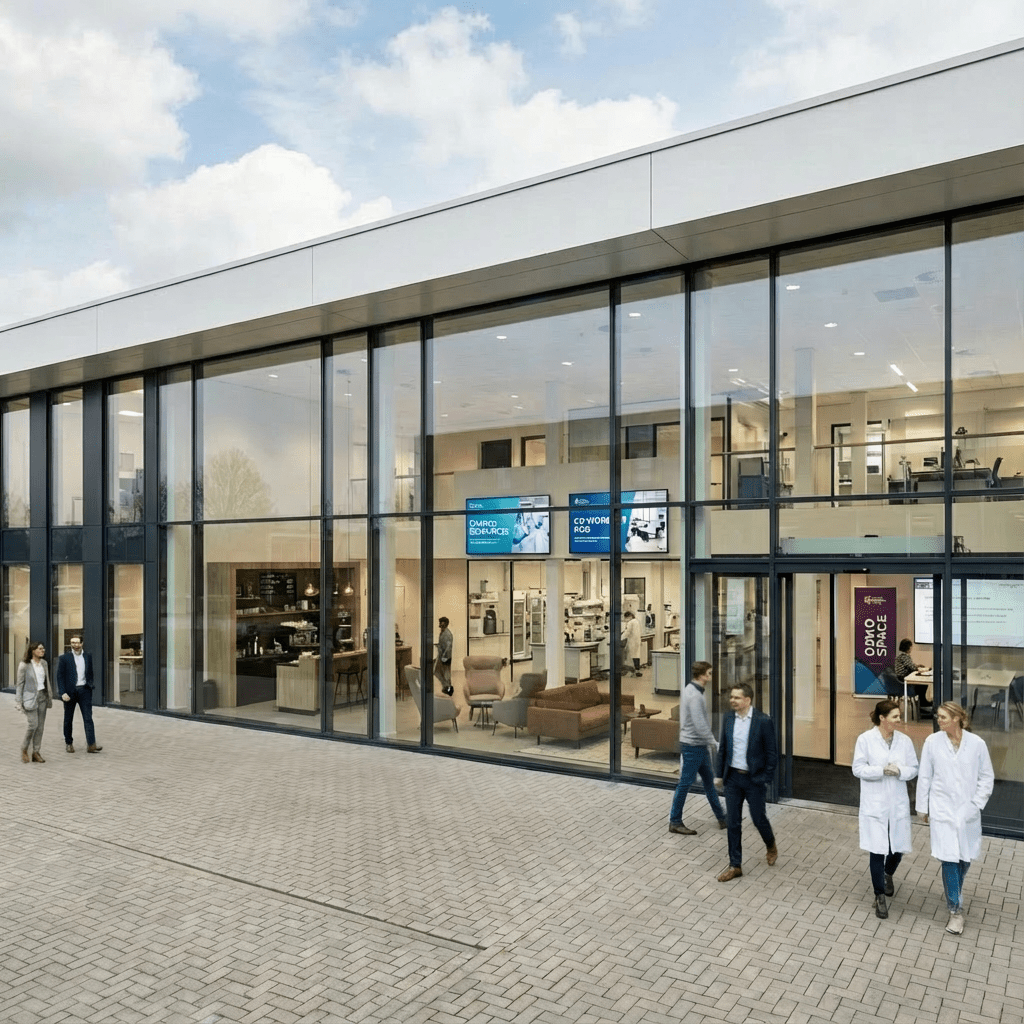
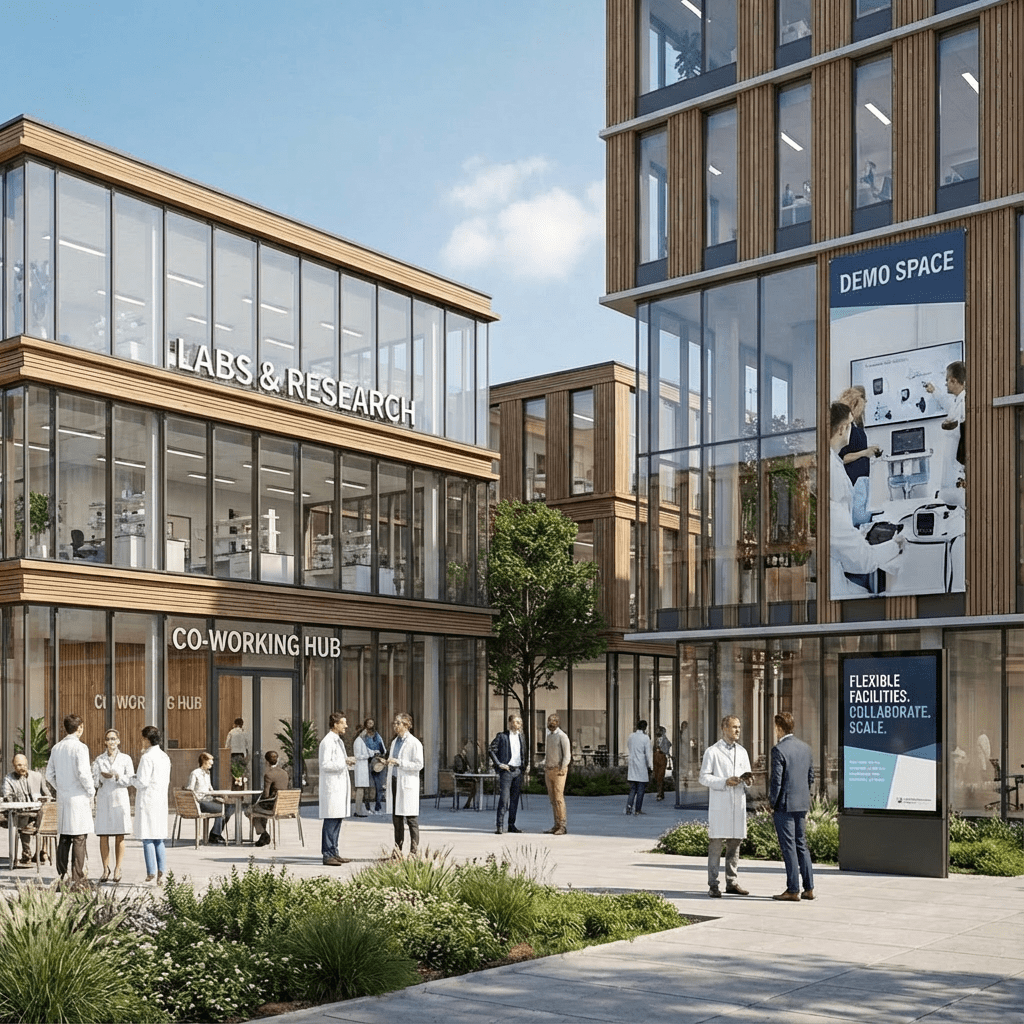
HICB offers shared resources that support medtech development, health research and collaboration, from labs and campus services to flexible, future-ready facilities. This includes co-working hubs, demo spaces, and short-term contracts that give tenants the freedom to scale or adjust course as needed. You can scale activities quickly, collaborate easily, and stay lean in times of change.
5. Are we visible and connected in the healthcare innovation ecosystem?
In Life Sciences & Health visibility matters. Are you on the radar of universities, partners, funders, and policymakers? Are you part of a region where innovation happens and where you’re seen as a contributor?
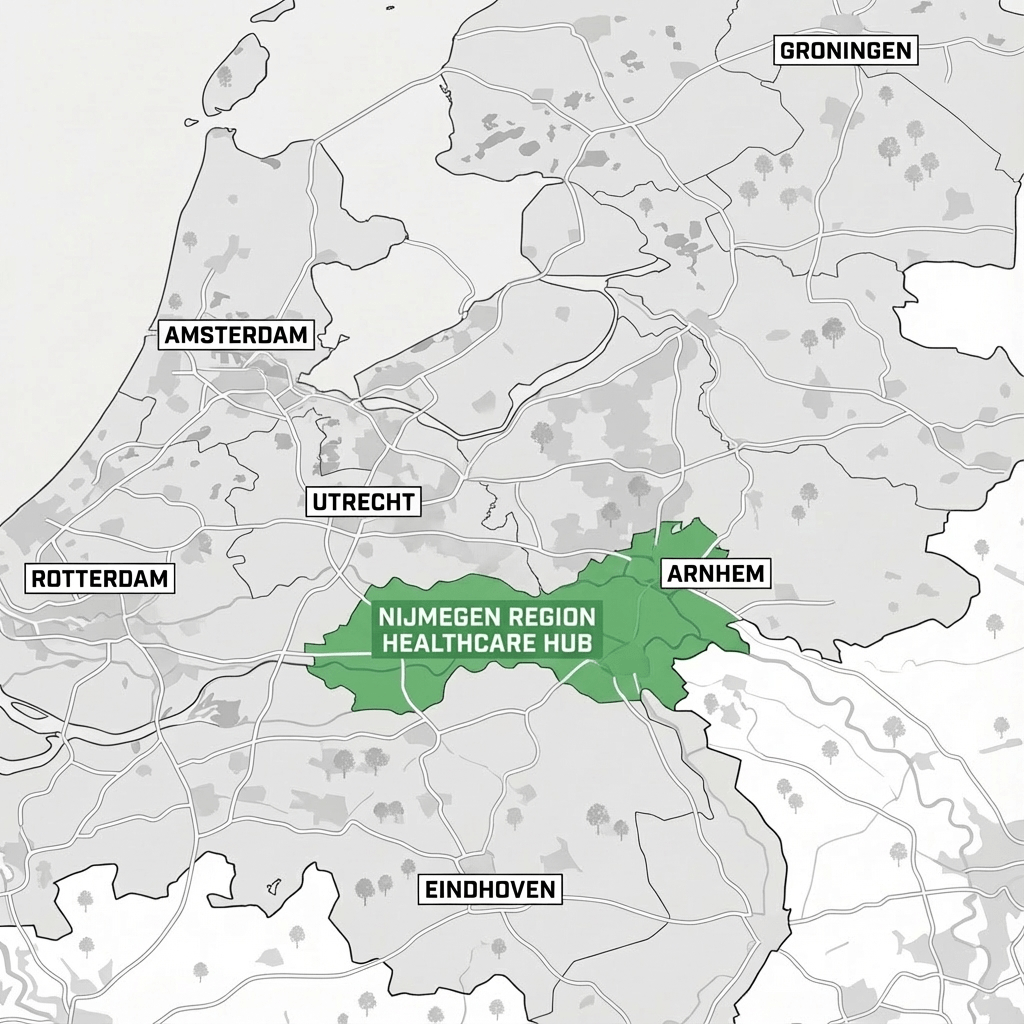
The Nijmegen region is a recognised hub within the Dutch and European healthcare landscape. As part of this campus, your organisation becomes part of a visible, credible, and connected ecosystem with built-in collaboration. Through campus matchmaking events, hackathons, and partnerships with educational institutions and health providers, collaboration is truly activated.
6. Does our location reflect who we are and who we want to become?
Your location makes a statement. Does it align with your identity and support your purpose, values, and ambitions? A forward-looking organisation deserves a future-ready environment. One that reflects innovation, care, and credibility to employees, partners and clients.
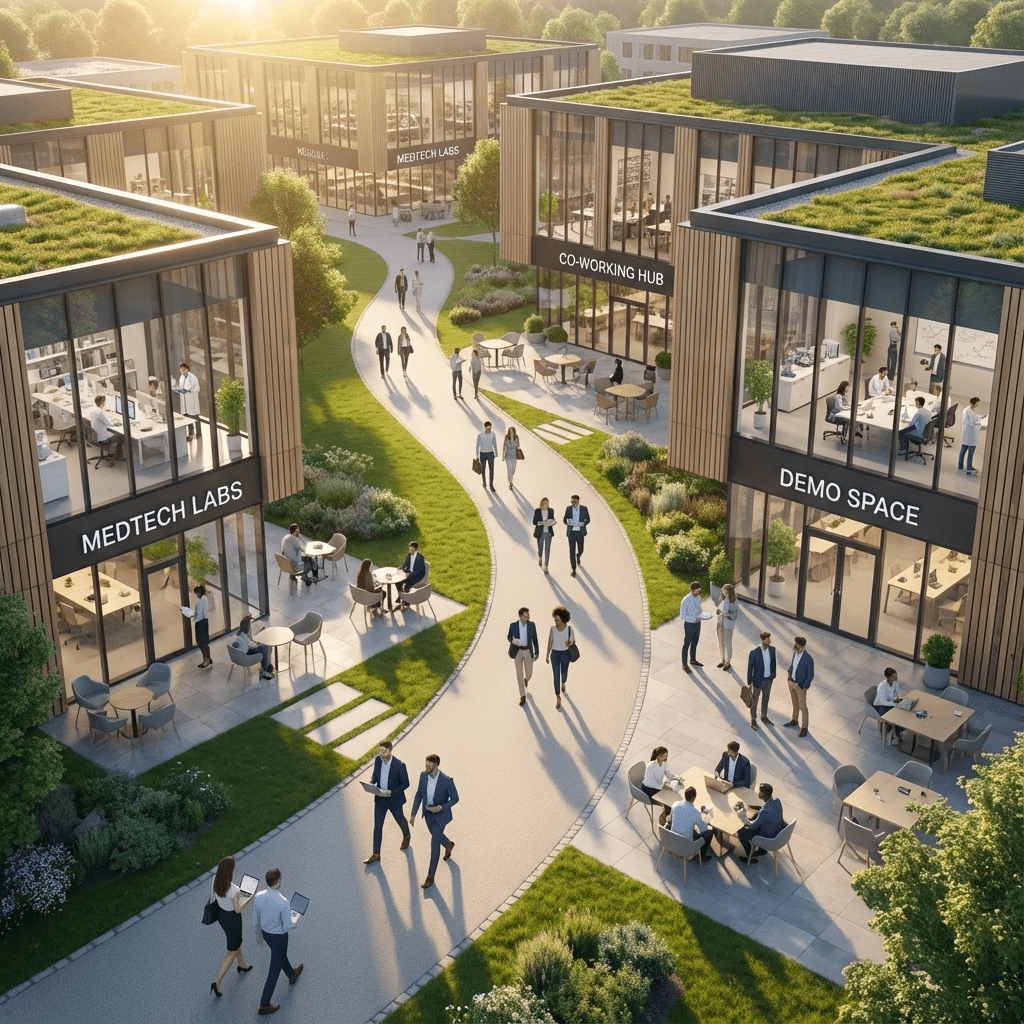
HICB is designed to signal progress. From sustainable materials to collaborative spaces, every element reflects a progressive mission to transform healthcare. Locating here doesn’t just meet your operational needs, it strengthens your identity.
7. Do we live our innovation and sustainability values, not just display them?
It’s not enough to say you’re sustainable or future-focused. Do your buildings and surroundings reflect it? Is it visible in how you operate? From energy to ecosystems: your location reflects your principles.
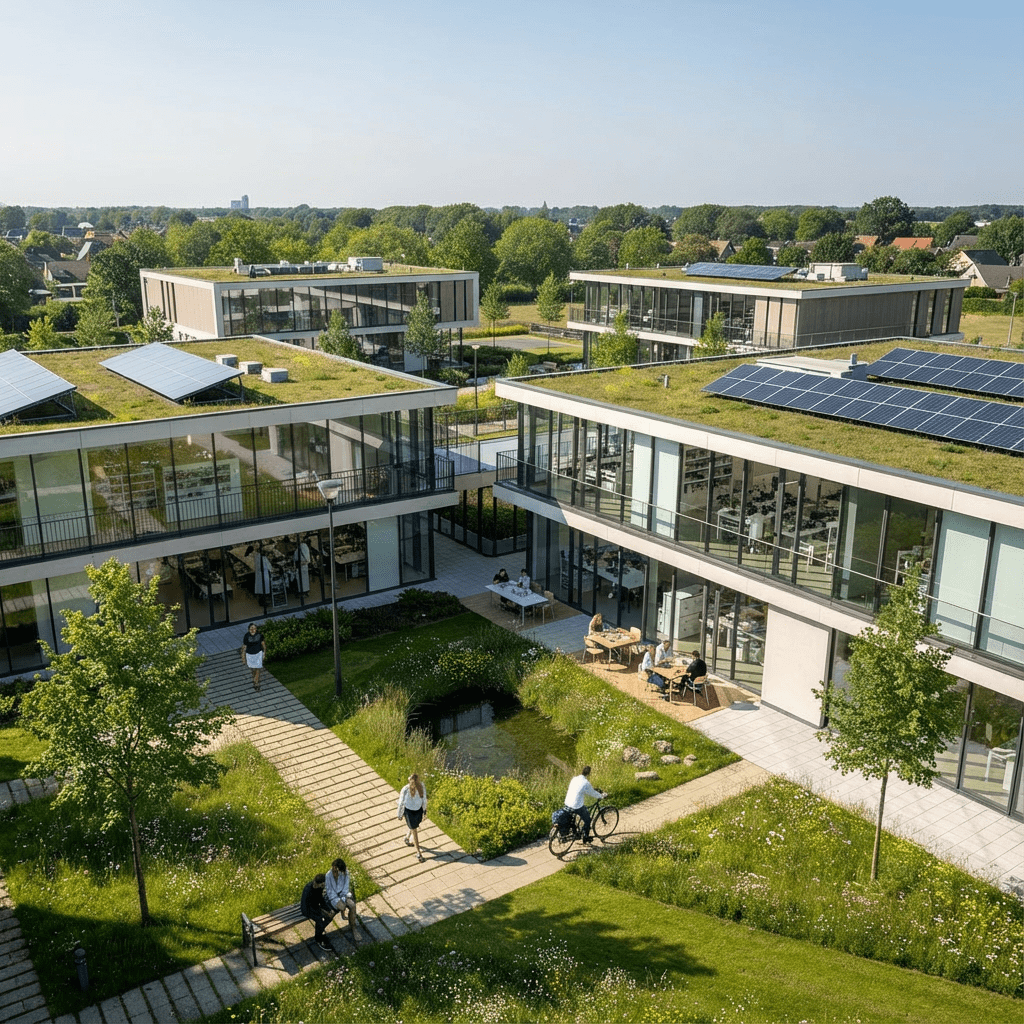
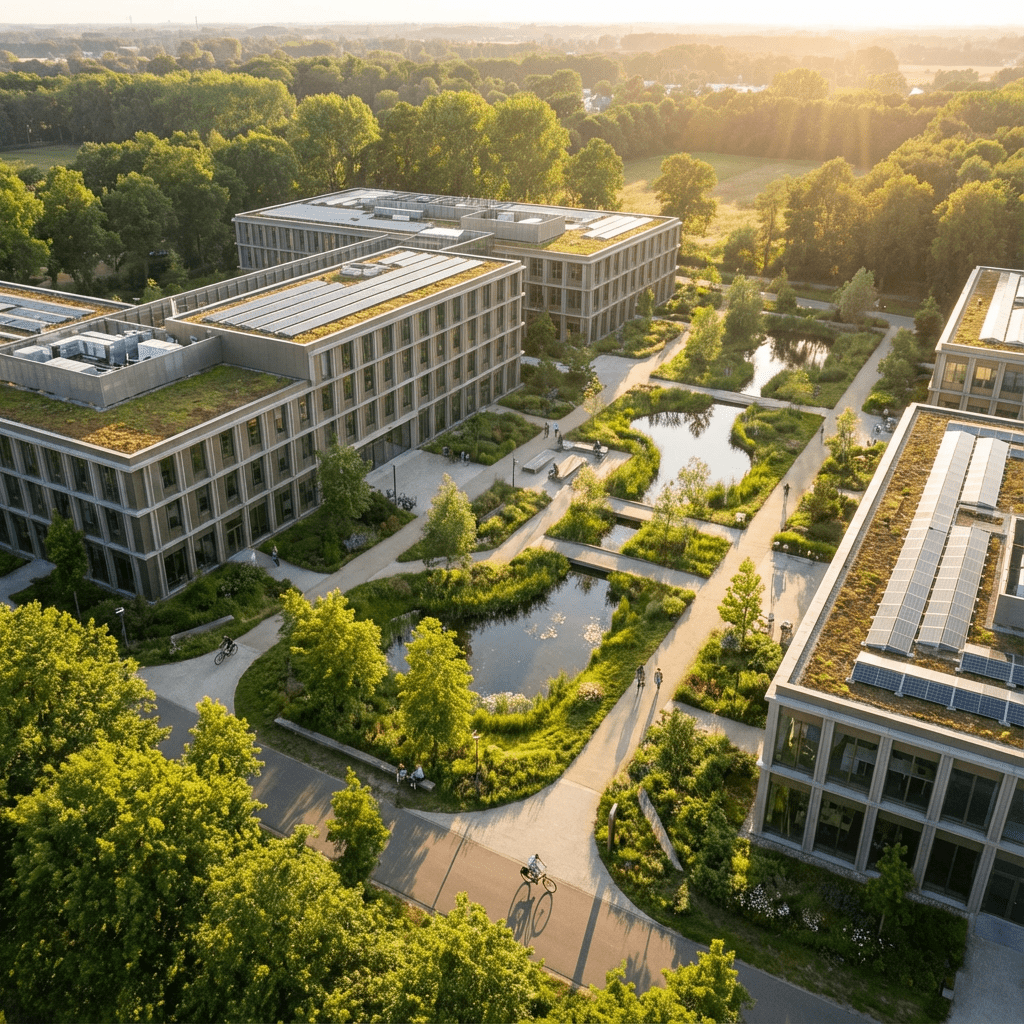
HICB puts this into practice: energy-efficient buildings, a climate-adaptive outdoor space with integrated water buffering, and shared research zones designed for innovation, prototyping, and applied development. The green campus environment promotes well-being while reducing environmental impact. Sustainability here isn’t just a BREEAM Excellent rating. We’ve embedded it, together with our partners, in how the campus is built, used, and shared.
8. Can our location scale with us without relocation?
Growth brings change. New teams, equipment, or services. Can your location adapt without major disruption? Flexibility and modularity are key to supporting agile operations.
HICB offers a flexible setting, designed for scaling up or down without moving out. Whether you’re growing a team or launching a new line of research, you can expand within the same collaborative community.
9. Are we positioned to evolve with new technologies and regulations?
In the Life Sciences & Health sector, the organisations that thrive are those that can adapt quickly. New technologies, shifting regulations and emerging standards require environments that support testing, iteration and continuous learning. Does your current location help you stay responsive?
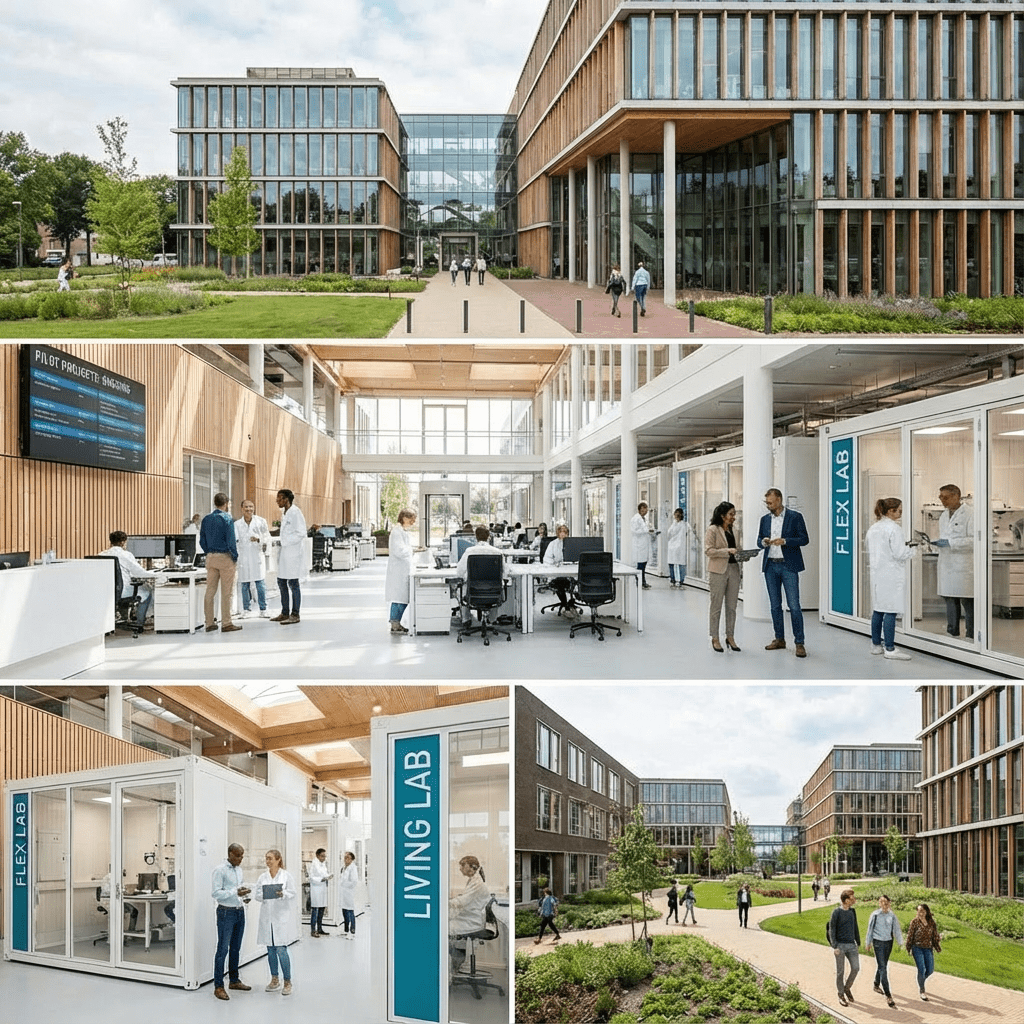
At HICB, the infrastructure and community are built to welcome change. Shared facilities such as flexible laboratories, pilot projects, living labs give organisations the room to adapt as their work evolves. Here, the combination of tenant expertise and an ecosystem designed for continuous improvement enables ongoing progress.

10. Are we enabling true collaboration or just sharing a postcode?
In Life Sciences & Health visibility matters. Are you on the radar of universities, partners, funders, and policymakers? Are you part of a region where innovation happens and where you’re seen as a contributor?
The Nijmegen region is a recognised hub within the Dutch and European healthcare landscape. As part of this campus, your organisation becomes part of a visible, credible, and connected ecosystem with built-in collaboration. Through campus matchmaking events, hackathons, and partnerships with educational institutions and health providers, collaboration is truly activated.
What's next
Looking to explore further?
Every question on this page is an invitation to think bigger. About what your workplace enables. Who it attracts. What it signals. And how it helps you stay future-ready in a sector defined by change.
At Health Innovation Campus Boxmeer, we’ve brought together the elements that matter: talent appeal, cost efficiency through shared infrastructure, flexibility, and community spirit, all sustainably designed into one campus.
Whether you’re considering a move, rethinking your growth strategy, or simply starting an internal conversation, we’d love to support you. Because where you work shapes how you work. And how you work shapes the future of healthcare.