
Across the world, leading innovation campuses are redefining how people connect, collaborate and create. They show how purpose-driven design and community-first programming can make the difference between an idea that stays in the lab and one that transforms lives.
At Health Innovation Campus Boxmeer (HICB), we draw inspiration from these global pioneers, translating these lessons into an ecosystem where research, healthcare and business merge to accelerate the future of health innovation.
Their success proves that design, community and collaboration are not just conditions for innovation, but its driving force. By learning from the best, Health Innovation Campus Boxmeer shapes a new kind of campus in the Netherlands: a connected environment where a diverse range of disciplines merge to accelerate healthcare innovation.
Turning research into real-world impact
Wyss Institute – Boston, USA
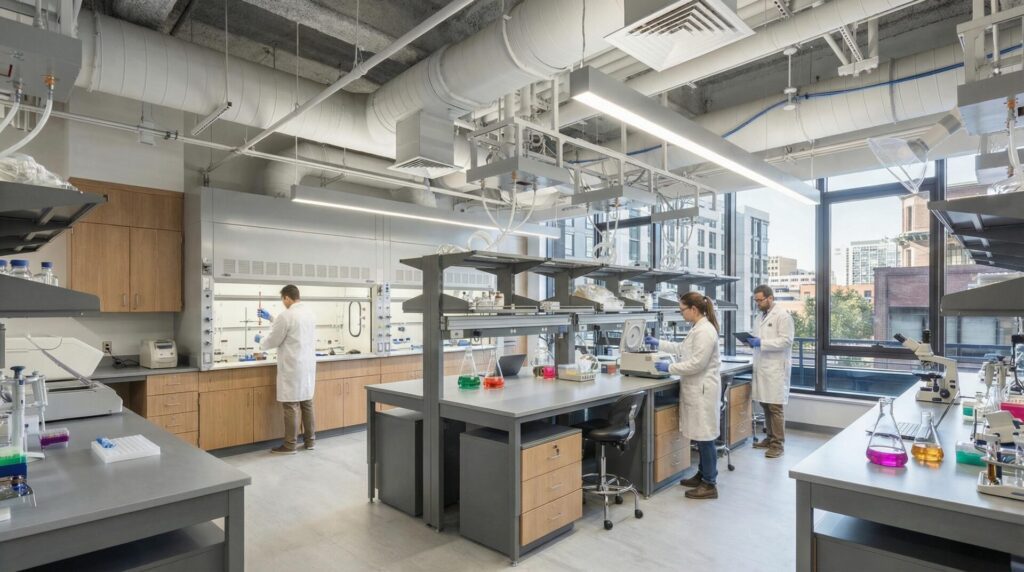
A groundbreaking example of how science, technology and entrepreneurship can merge. The Wyss Institute, part of Harvard University, translates pioneering research into practical applications that transform healthcare.
The development on Wyss is designed to bring disciplines together. Shared laboratories and open, flexible spaces unite engineers, biologists and clinicians in real time. The result of the transparent design is a community where boundaries between science and business dissolve, making innovation visible and tangible.
What this means for HICB
For HICB, it demonstrates how physical proximity and adaptable architecture can bridge disciplines, accelerate discovery and make innovation an everyday experience. HICB integrates this approach by creating spaces where knowledge institutions, healthcare organisations and businesses literally work side by side to shape the future of healthcare.
What could a social hub mean for your organisation? Discover more inspiring examples below.
Connecting research and companies for life science growth
Medicon Village – Lund, SWE
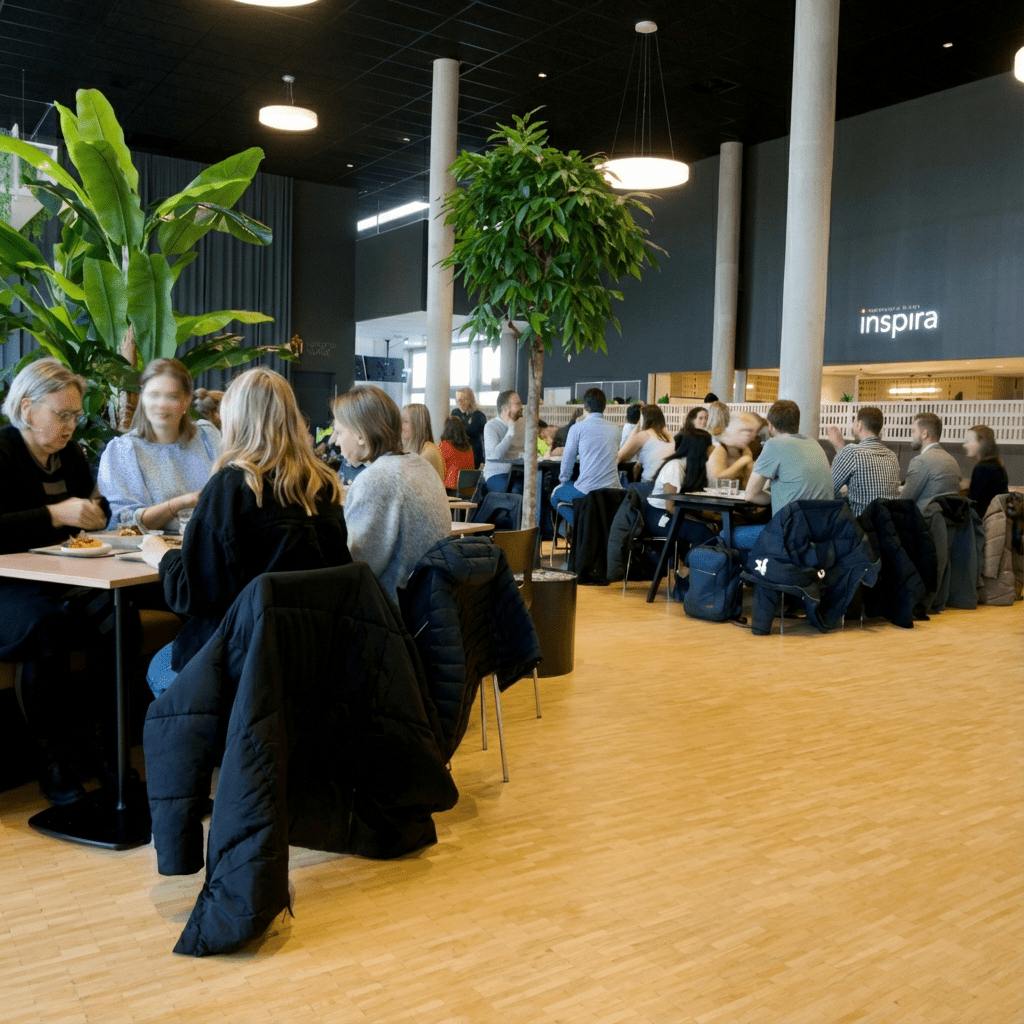
Medicon Village, connected to Lund University, is home to a vibrant environment where universities, startups and mature companies work side by side. Collaboration is built into its DNA.
Medicon Village shows how physical proximity creates a natural rhythm of exchange. Shared research facilities and informal meeting areas dissolve hierarchy, bringing startups and established firms together in one community.
What this means for HICB
For HICB, it underlines how creating an open ecosystem where organisations grow within a community fuels collaboration. And how a steady rhythm of networking events can help make interaction between tenants a natural part of daily campus life.
Explore how global campuses become social hubs. Browse all best practices here or connect with us.

Growing innovation through flexible development
Birmingham Health Innovation Campus – Birmingham, UK
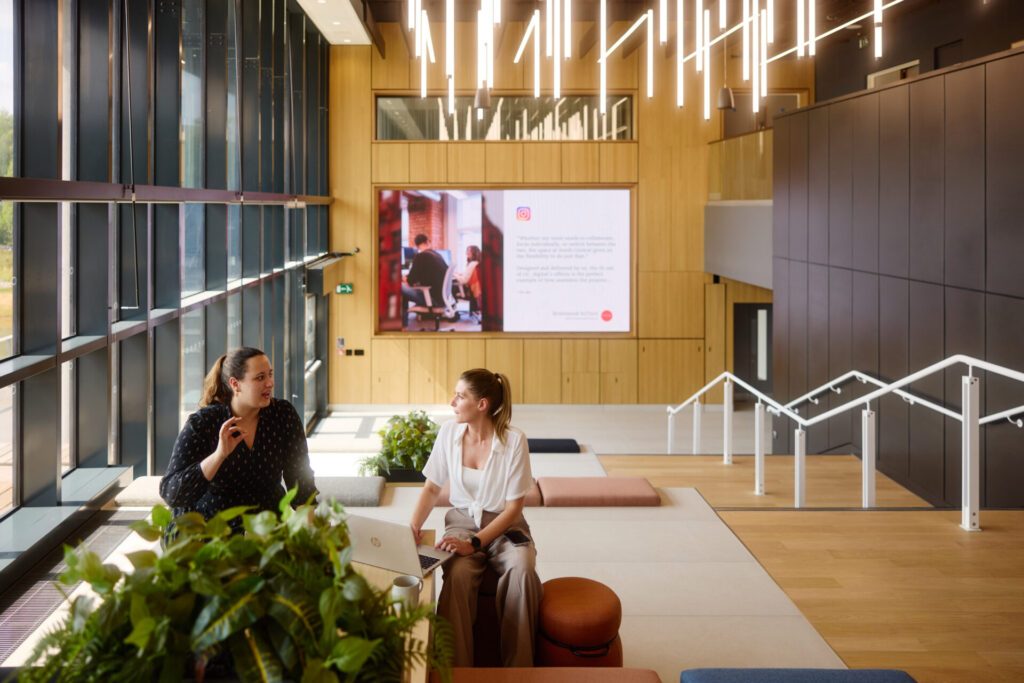
A campus that grows alongside its tenants. Thanks to phased development, businesses can start small and expand as their impact increases, lowering the barrier to entry and spreading investment risks.
The phased design of Birmingham Health Innovation Campus ensures that every new building strengthens the community rather than fragmenting it. Consistent architecture, shared amenities and adaptable layouts help tenants grow while staying connected.
What this means for HICB
For HICB, it proves that flexibility in design can foster stability, trust and long-term collaboration within the campus network.
How will you shape the future of health innovation? Continue reading or contact us to explore opportunities.
Empowering innovation through shared support
MaRS – Toronto, CAN
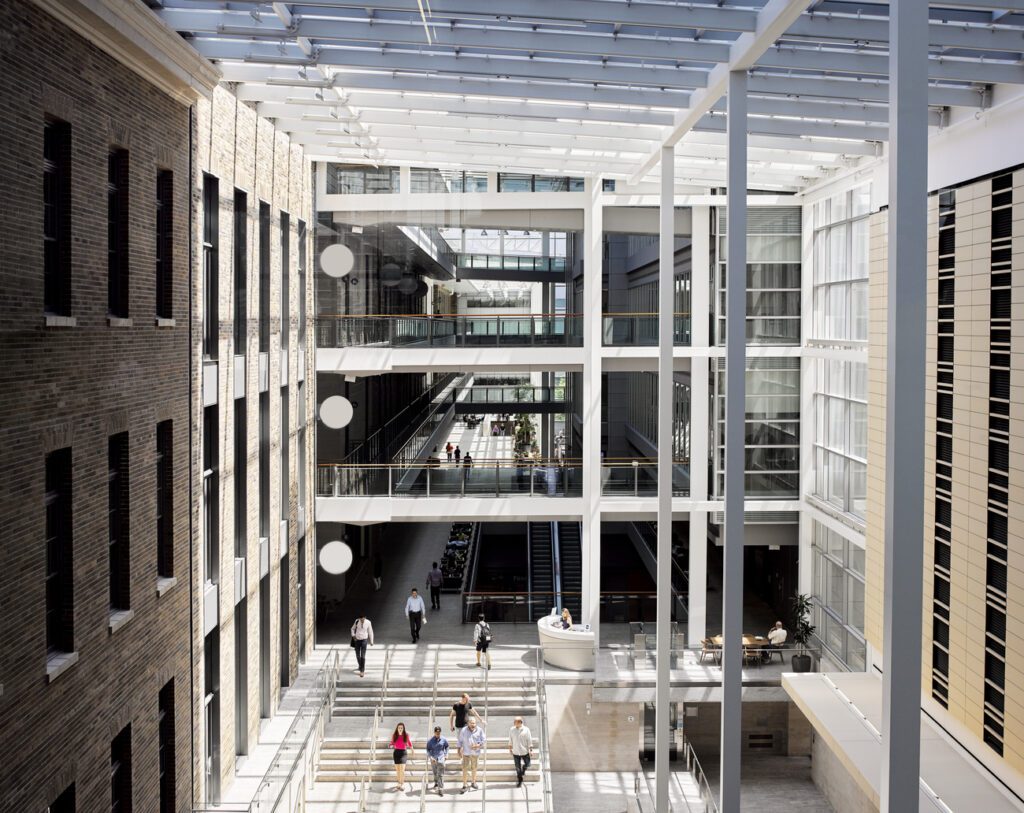
One of North America’s largest urban innovation hubs provides direct support for startups and builds communities of innovators. By doing so, they drive the adoption of high-impact solutions for their communities, healthcare system, and environment.
MaRS Discovery District brings together startups, investors and researchers in open-concept labs and offices to encourage cross-sector collaboration and accelerate commercialisation towards market-ready solutions. MaRS integrates mentorship and financial support to accelerate business development. The result is faster collaboration and visible networks of trust.
What this means for HICB
For HICB, MaRS shows how connecting space, knowledge and structured support can accelerate ideas towards impact. MaRS’s mentorship networks and flagship events, strengthen the case for a dedicated start-up hub and curated programming, ensuring tenants are supported, not just accommodated.
Find out how shared support drives impact on the HICB website.
Designing for sustainable innovation and community connection
Oslo Science City –
Oslo, NOR
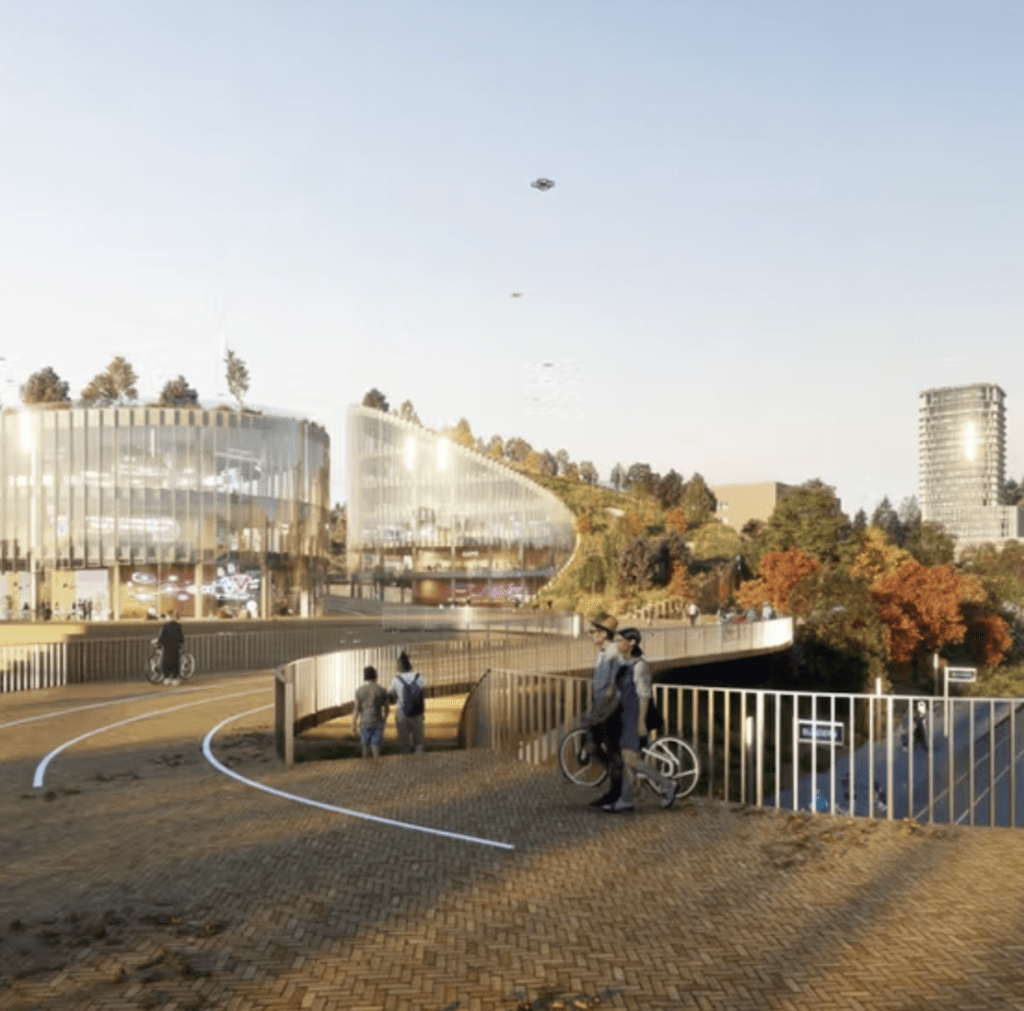
Oslo Science City integrates science, business, education and urban life in one environment. Bringing together Norway’s leading university, the Nordic region’s largest hospital, leading research institutes and vibrant startups, all designed for openness and sustainability.
Flexible, energy-efficient buildings and inviting outdoor areas encourage collaboration, movement and exchange throughout the day.
What this means for HICB
For HICB, Oslo Science City shows how physical layout of a campus and campus programming, like talks, outdoor activities, and health-focused events, can actively stimulate community. And by doing so engage partners, visitors and the wider region in a lively campus culture.
Discover lessons from the world’s best innovation campuses. Contact us to explore opportunities.